
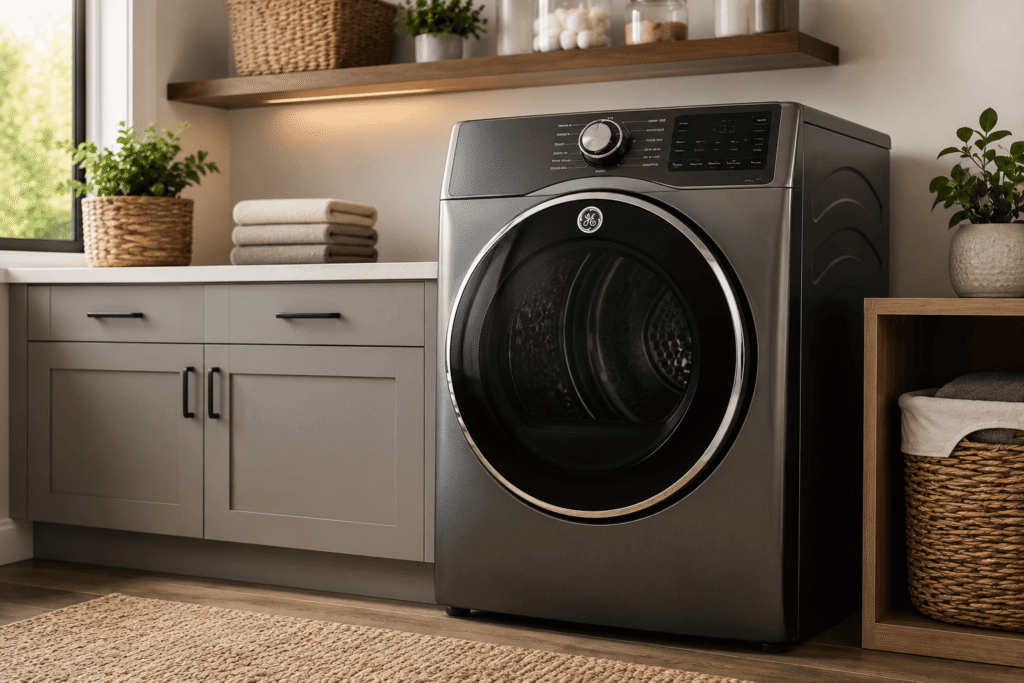
A dryer is one of the most important appliances in any modern home, helping families save time and keep laundry routines convenient. GE Appliances dryers are known for their reliable performance, advanced drying technology, and durable design. However, even high-quality dryers can develop problems over time that affect efficiency and drying performance.
One of the most common complaints homeowners experience is a GE dryer taking too long to dry clothes. When laundry cycles become longer than normal, it can increase energy bills, create frustration, and signal underlying mechanical issues. Understanding the causes behind slow drying can help homeowners identify problems early and schedule professional repair before more serious damage occurs.
Clogged Dryer Vent System
A blocked or restricted dryer vent is one of the most common reasons a dryer takes too long to dry clothes. During normal operation, the dryer pushes hot, moist air through the exhaust vent. Over time, lint and debris can build up inside the vent hose or ductwork, restricting airflow.
Signs of a clogged vent include:
- Clothes remaining damp after one cycle
- Excessive heat in the laundry room
- Burning smells during operation
- Dryer exterior becoming unusually hot
- Increased drying times
Poor airflow prevents moisture from escaping efficiently, forcing the dryer to work harder and longer. In addition to reducing efficiency, clogged vents can also become a serious fire hazard if not cleaned regularly.
Dirty Lint Filter
A clogged lint screen may seem like a small issue, but it can significantly reduce drying performance. The lint filter is designed to trap fibers and debris from clothing during each cycle. When the screen becomes blocked, airflow inside the dryer decreases.
To maintain proper airflow:
- Clean the lint filter after every load
- Wash the filter occasionally to remove residue buildup
- Inspect the lint housing for trapped debris
Regular lint filter maintenance improves drying performance and helps reduce strain on internal dryer components.
Faulty Heating Element
Electric GE dryers rely on a heating element to generate warm air for drying clothes. If the heating element becomes damaged or partially fails, the dryer may still run but produce insufficient heat.
Common signs of heating element problems include:
- Dryer running without heat
- Clothes staying damp after a full cycle
- Dryer producing inconsistent temperatures
A professional technician can test the heating element and replace it if necessary.
Malfunctioning Moisture Sensor
Many modern GE dryers use moisture sensors to detect dampness levels inside the drum and automatically adjust drying times. If the moisture sensor becomes dirty or defective, the dryer may end cycles too early or continue running unnecessarily.
Possible symptoms include:
- Clothes still damp after automatic cycles
- Dryer shutting off prematurely
- Inconsistent drying performance
Cleaning the moisture sensor with a soft cloth may help, but damaged sensors usually require replacement.
Defective Thermostat or Thermal Fuse
GE dryers contain thermostats and thermal fuses that regulate internal temperature and prevent overheating. If these components malfunction, the dryer may not heat properly or may cycle heat incorrectly.
Possible symptoms include:
- Long drying times
- Dryer overheating
- Dryer not heating consistently
- Dryer shutting off unexpectedly
Professional diagnosis is often necessary to determine which temperature control component has failed.
Overloading the Dryer
Placing too many clothes inside the dryer can restrict airflow and prevent proper tumbling action. Heavy loads trap moisture and increase drying time significantly.
For better drying performance:
- Avoid tightly packed loads
- Separate heavy fabrics from lightweight items
- Follow manufacturer load recommendations
Proper loading allows hot air to circulate evenly around clothing.
Blower Wheel Problems
The blower wheel inside the dryer helps circulate hot air through the drum and vent system. If the blower wheel becomes damaged or loose, airflow may weaken considerably.
Common signs include:
- Weak airflow from the exterior vent
- Unusual rattling noises
- Longer drying cycles
Reduced airflow affects both efficiency and overall dryer performance.
Dryer Drum Not Spinning Properly
If the dryer drum rotates inconsistently or stops turning during cycles, clothes may not dry evenly. This problem can result from worn belts, damaged rollers, or motor issues.
Possible symptoms include:
- Loud squealing noises
- Drum failing to rotate
- Clothes remaining damp in certain areas
Prompt repair helps prevent additional wear on the motor and other internal components.
Importance of Professional GE Dryer Repair
Modern GE dryers contain electrical systems, sensors, thermostats, and heating components that require specialized knowledge for safe repair. Attempting DIY repairs without proper training can create safety risks and damage sensitive parts.
Professional appliance technicians can accurately diagnose and repair issues involving:
- Heating elements
- Thermostats
- Moisture sensors
- Ventilation systems
- Drum motors
- Electronic control boards
Using genuine replacement parts also helps preserve appliance reliability and efficiency.
Preventive Maintenance Tips
Routine maintenance can help reduce dryer problems and improve drying efficiency. Here are several useful maintenance practices:
- Clean the lint filter after every load
- Inspect and clean dryer vents regularly
- Avoid overloading the dryer
- Check exterior vent airflow periodically
- Schedule professional dryer maintenance when needed
Preventive care helps improve energy efficiency and extend appliance lifespan.
Final Thoughts
A GE appliance dryer is designed to provide dependable and efficient laundry performance, but occasional problems can develop over time. Issues such as clogged vents, faulty heating elements, moisture sensor failures, or restricted airflow can all lead to longer drying times and reduced efficiency.
Recognizing these warning signs early and scheduling professional repair service can help restore proper performance while preventing larger breakdowns. With regular maintenance and expert care, your GE dryer can continue delivering reliable drying performance for many years.