
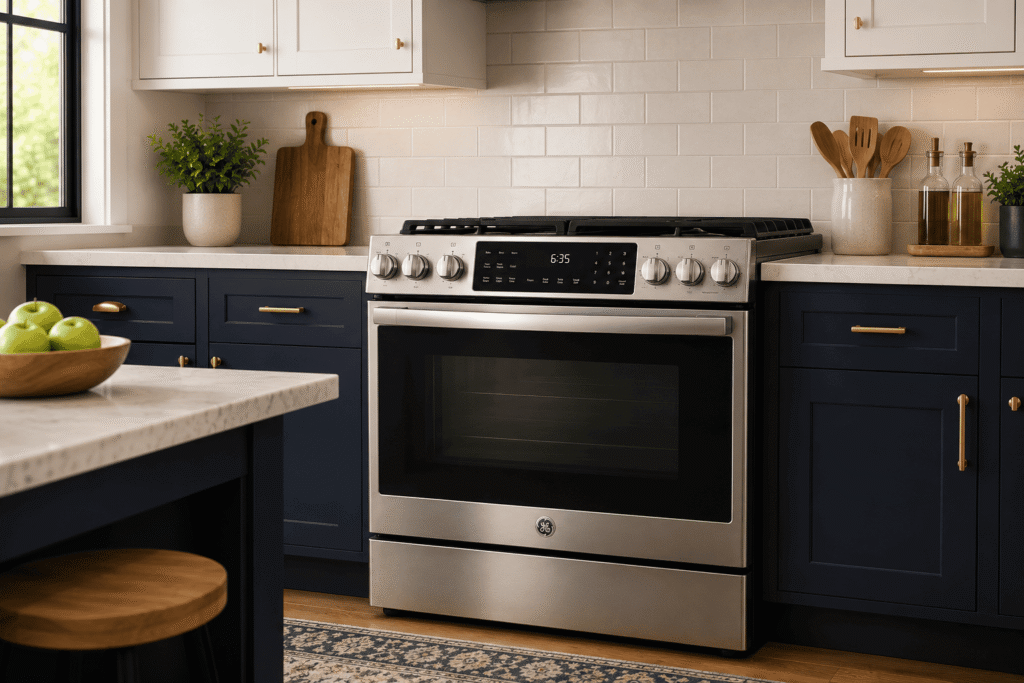
A reliable oven is essential for preparing meals efficiently, whether you are baking, roasting, or broiling. GE Appliances ovens are known for their modern features, dependable performance, and advanced cooking technology. However, even high-quality ovens can experience wear and tear over time, leading to performance issues that affect cooking results and kitchen safety.
Recognizing the early signs of oven problems can help homeowners avoid costly breakdowns and maintain consistent cooking performance. From heating issues to electronic control malfunctions, understanding common GE oven problems can help you know when professional repair service is necessary.
Oven Not Heating Properly
One of the most common GE oven issues is improper heating. You may notice that food takes longer to cook, fails to cook evenly, or remains undercooked despite following recipes correctly.
Several problems can cause heating issues, including:
- Faulty bake element
- Defective broil element
- Damaged igniter
- Malfunctioning thermostat
- Faulty temperature sensor
- Control board problems
Electric ovens rely on heating elements, while gas ovens depend on igniters and gas flow systems. When any of these components fail, oven temperatures become inconsistent.
Uneven Cooking and Baking
An oven should distribute heat evenly throughout the cooking cavity. If one side cooks faster than the other or food burns unevenly, airflow or temperature regulation problems may be developing.
Possible causes include:
- Faulty convection fan
- Damaged heating element
- Improper temperature calibration
- Worn door gasket
- Blocked airflow vents
Uneven cooking can affect baking quality and make meal preparation frustrating.
Oven Temperature Too Hot or Too Cold
Temperature accuracy is essential for proper cooking performance. If your GE oven becomes too hot or fails to reach the selected temperature, internal temperature control components may not be functioning correctly.
Common causes include:
- Faulty thermostat
- Defective temperature sensor
- Electronic control board failure
- Calibration issues
Using an oven thermometer can help confirm whether the internal temperature matches the selected setting.
Oven Door Not Closing Properly
A damaged or loose oven door can allow heat to escape during cooking cycles, leading to longer cooking times and energy waste.
Possible reasons include:
- Worn door hinges
- Damaged door gasket
- Misaligned door frame
- Broken latch assembly
A properly sealed oven helps maintain stable temperatures and improves cooking efficiency.
GE Oven Not Turning On
If your oven does not power on at all, electrical or electronic system problems may be preventing operation.
Potential causes include:
- Tripped circuit breaker
- Blown thermal fuse
- Defective control panel
- Damaged wiring
- Faulty power supply
Modern GE ovens use advanced electronic systems that require professional diagnosis for safe and accurate repair.
Self-Cleaning Function Problems
Many GE ovens include a self-cleaning feature for convenience. However, problems can sometimes occur during or after the cleaning cycle.
Common issues include:
- Oven door remaining locked
- Excessive smoke during cleaning
- Error codes appearing
- Oven becoming unresponsive afterward
Self-cleaning cycles generate extremely high temperatures that can place stress on internal electronic components and door lock mechanisms.
Strange Noises During Operation
Although some operational sounds are normal, unusual noises may indicate internal component wear or malfunction.
Possible sounds include:
- Buzzing
- Clicking
- Rattling
- Humming
- Fan noises
These sounds may result from faulty cooling fans, loose components, relay problems, or convection motor issues.
Oven Light Not Working
An oven light that stops functioning may seem minor, but it can sometimes indicate electrical system issues.
Possible causes include:
- Burned-out bulb
- Faulty light socket
- Wiring problems
- Defective control board
Replacing the bulb may solve the issue, but persistent lighting problems may require professional inspection.
Error Codes on GE Ovens
Modern GE ovens use electronic diagnostic systems that display error codes when malfunctions are detected. These codes can indicate issues involving:
- Temperature sensors
- Door lock systems
- Electronic controls
- Communication failures
- Heating components
While restarting the appliance may clear temporary faults, recurring error codes should not be ignored.
Importance of Professional GE Oven Repair
GE ovens contain complex electrical systems, sensors, control boards, and heating components that require specialized knowledge for safe repair. Attempting DIY repairs without proper training may create safety hazards or damage expensive parts.
Professional appliance technicians can accurately diagnose and repair problems involving:
- Heating elements
- Gas igniters
- Electronic control boards
- Temperature sensors
- Door assemblies
- Convection systems
Using genuine replacement parts helps maintain appliance reliability and long-term performance.
Preventive Maintenance Tips
Routine maintenance can help reduce oven problems and improve cooking efficiency. Helpful maintenance practices include:
- Clean food spills promptly
- Inspect door gaskets regularly
- Avoid slamming the oven door
- Use the self-cleaning feature carefully
- Keep vents unobstructed
- Schedule professional maintenance when needed
Preventive care can extend appliance lifespan while improving cooking performance.
Final Thoughts
A GE oven is designed to provide reliable cooking performance and convenience for busy households. However, occasional problems such as heating issues, uneven cooking, faulty temperature control, or electronic malfunctions can still occur over time.
Recognizing the warning signs early and scheduling professional repair service can help prevent costly breakdowns and restore proper oven performance. With regular maintenance and expert care, your GE oven can continue delivering dependable cooking results and efficient operation for many years.