
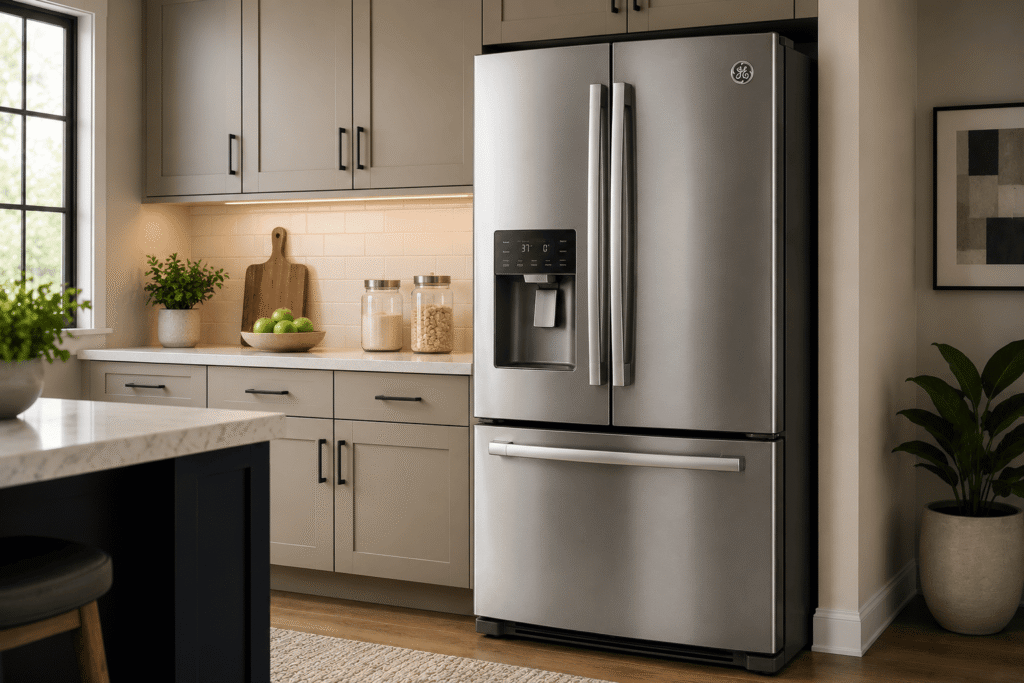
A refrigerator is one of the most important appliances in any home, keeping food fresh, beverages cold, and groceries properly preserved. GE Appliances refrigerators are known for their dependable performance, modern features, and energy-efficient cooling systems. However, like any appliance that runs continuously, refrigerators can develop issues over time that affect cooling efficiency and overall performance.
One of the most common problems homeowners experience is a GE refrigerator not cooling properly. When cooling performance drops, food spoilage, higher energy bills, and expensive repairs can quickly follow. Understanding the possible causes of cooling issues can help homeowners identify problems early and seek professional repair before major breakdowns occur.
Dirty Condenser Coils
Condenser coils play a critical role in removing heat from the refrigerator. Over time, dust, pet hair, and debris can accumulate on the coils, reducing the appliance’s ability to cool efficiently.
Common signs of dirty condenser coils include:
- Refrigerator running constantly
- Warm temperatures inside compartments
- Increased energy consumption
- Compressor overheating
Cleaning the condenser coils regularly can significantly improve cooling performance and reduce strain on the compressor.
Faulty Evaporator Fan Motor
The evaporator fan circulates cold air throughout the refrigerator and freezer compartments. If the fan motor becomes defective, cold air may not distribute properly, causing uneven temperatures inside the appliance.
Possible symptoms include:
- Freezer cold but refrigerator warm
- Weak airflow from vents
- Unusual buzzing or squealing noises
A malfunctioning evaporator fan often requires professional replacement to restore proper airflow.
Damaged Door Gaskets
Door gaskets create an airtight seal that prevents warm air from entering the refrigerator. If the gasket becomes cracked, loose, or worn, cold air escapes and forces the refrigerator to work harder.
Common signs include:
- Moisture buildup around doors
- Refrigerator running nonstop
- Warm interior temperatures
- Visible gaps in the seal
Inspecting and cleaning door seals regularly can help maintain efficient cooling performance.
Refrigerator Not Defrosting Properly
Modern GE refrigerators use automatic defrost systems to prevent frost buildup on evaporator coils. If the defrost system fails, frost may accumulate and block airflow inside the appliance.
Possible causes include:
- Faulty defrost heater
- Defective defrost thermostat
- Malfunctioning control board
- Frozen drain system
Excessive frost buildup can eventually stop the refrigerator from cooling properly altogether.
Faulty Temperature Control Thermostat
The thermostat regulates cooling cycles by monitoring internal temperatures. If the thermostat fails, the refrigerator may not maintain the correct temperature settings.
Symptoms of thermostat problems include:
- Refrigerator too warm or too cold
- Inconsistent temperatures
- Compressor not cycling properly
Professional testing may be necessary to confirm thermostat failure.
Compressor Problems
The compressor is the heart of the refrigerator cooling system. It compresses refrigerant and helps maintain proper cooling temperatures throughout the appliance.
Signs of compressor issues include:
- Clicking noises
- Refrigerator not cooling at all
- Compressor overheating
- Continuous running without cooling
Because compressors are complex and expensive components, professional diagnosis is essential.
Refrigerant Leaks
Low refrigerant levels caused by leaks can reduce the refrigerator’s cooling ability significantly.
Possible signs include:
- Warm refrigerator temperatures
- Hissing sounds
- Frost buildup on certain coils
- Compressor running constantly
Handling refrigerant requires specialized equipment and certified technicians for safe repair.
GE Refrigerator Making Strange Noises
Although refrigerators naturally make some operating sounds, loud buzzing, rattling, clicking, or humming noises may indicate internal problems.
Common sources include:
- Condenser fan motor
- Evaporator fan
- Compressor
- Loose components
Persistent noises should be professionally inspected before further damage develops.
Water Leaking From the Refrigerator
Water leaks are another common refrigerator issue that can damage flooring and cabinetry.
Possible causes include:
- Clogged defrost drain
- Frozen drain tube
- Damaged water supply line
- Faulty water filter connection
Addressing leaks early helps prevent moisture damage and mold growth.
Importance of Professional GE Refrigerator Repair
Modern GE refrigerators contain advanced cooling systems, electronic controls, and sensors that require specialized knowledge for accurate repair. Attempting DIY repairs without proper experience can damage expensive components and create safety risks.
Professional appliance technicians can diagnose and repair issues involving:
- Compressors
- Cooling fans
- Electronic control boards
- Refrigerant systems
- Ice makers
- Temperature sensors
Using genuine replacement parts helps preserve appliance reliability and long-term performance.
Preventive Maintenance Tips
Routine maintenance can help reduce refrigerator problems and improve cooling efficiency. Helpful maintenance practices include:
- Cleaning condenser coils regularly
- Inspecting door seals for wear
- Avoiding blocked air vents
- Replacing water filters on schedule
- Keeping freezer compartments organized
- Scheduling professional maintenance when needed
Preventive care helps extend appliance lifespan and improve energy efficiency.
Final Thoughts
A GE refrigerator is designed to provide reliable cooling performance and long-lasting food preservation. However, issues such as dirty coils, faulty fans, thermostat failures, refrigerant leaks, or compressor problems can eventually affect cooling efficiency.
Recognizing the warning signs early and scheduling professional repair service can help prevent costly breakdowns and protect your food from spoilage. With proper maintenance and expert care, your GE refrigerator can continue delivering dependable performance and energy-efficient cooling for many years.